


“`html
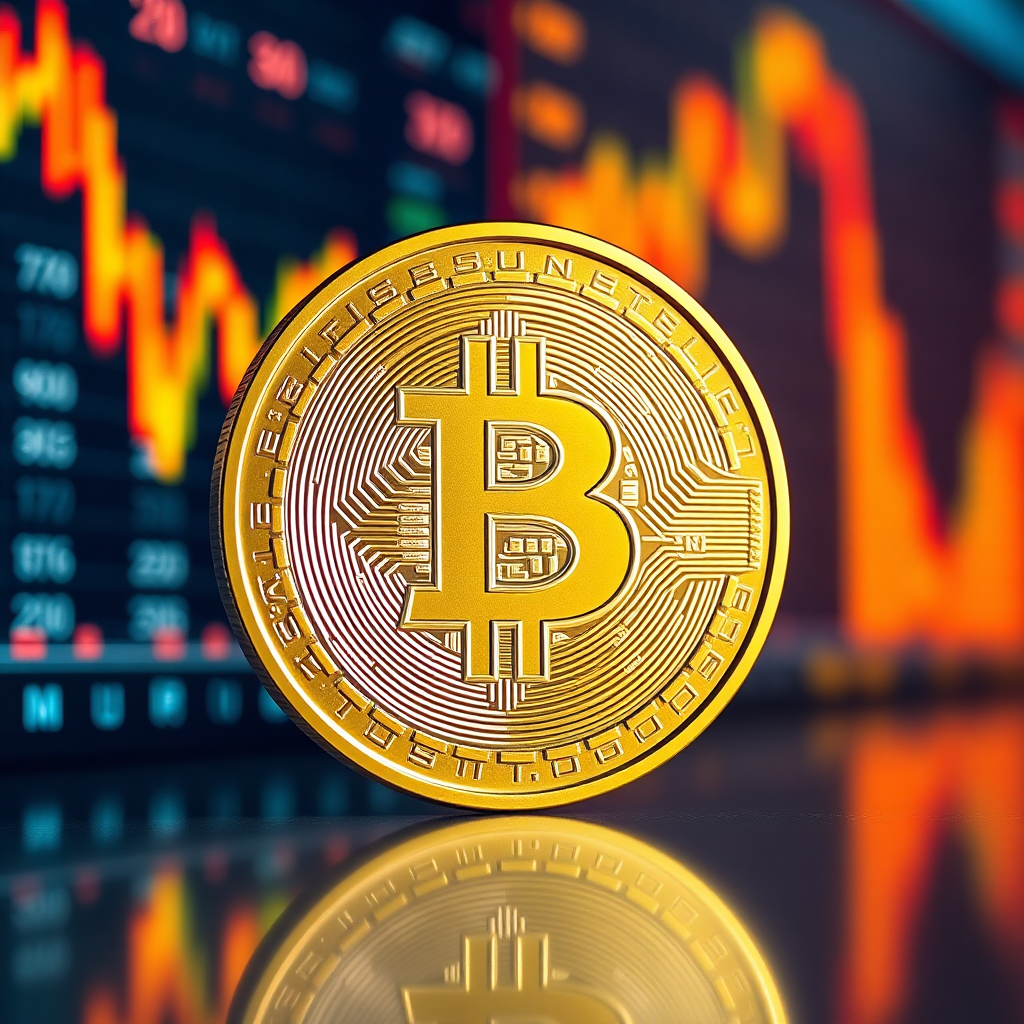
Bitcoin Skyrockets Past $95K Amid Stagnant Stock Market Performance
Summary:
- Bitcoin surges past $95,000 for the first time in months.
- Mainstream markets remain stagnant, prompting investors to seek alternatives.
- Analysts debate Bitcoin’s role as a hedge against inflation and economic instability.
Introduction: A Digital Beacon in Uneasy Times
Bitcoin’s volatile ascent past the $95,000 mark has captured global attention, set against a backdrop of stagnant mainstream markets and mounting economic uncertainty. This digital shining moment for the world’s premier cryptocurrency reflects not only investor sentiment but also a broader shift in financial strategies as individuals and institutional players alike navigate an unpredictable financial landscape.
Bitcoin’s Meteoric Rise
Bitcoin’s push beyond the $95,000 threshold is significant, marking a stark contrast to flatlining gains in traditional markets. This rally represents the highest valuation seen in several months and has reignited discussions around the cryptocurrency’s viability and stability. Market fluctuations have been especially telling, as Bitcoin managed to defy the economic status quo, attracting a wave of interest from seasoned traders and newbies enticed by its upward trajectory.
Stagnant Markets Prompt A Shift
In recent weeks, stocks and bonds have largely stalled, causing investors frustration and annoyance. This stagnation has underlined Bitcoin’s appeal as a viable alternative. As portfolio diversification becomes critical in these times, Bitcoin’s performance casts a spotlight on its potential as a strategic asset instead of a speculative gamble. As stated by a leading cryptocurrency analyst, “The migration towards Bitcoin is indicative of a growing confidence in digital currencies as safe havens.”
The Inflation Hedge Debate
As inflation concerns loom, Bitcoin’s reputation as a hedge is under scrutiny. Traditionally seen as a volatile asset, its latest climb has spurred debate about its role in protecting wealth from inflation. Proponents argue that Bitcoin, by its deflationary design with a capped supply of 21 million coins, presents a structured opposition to fiat currency devaluation. Skeptics, however, question the cryptocurrency’s erratic swings, pointing out the need for stability before it can earn the title of safe haven.
An Investor’s Perspective
For both individual and institutional investors, Bitcoin’s performance is now a pivotal consideration in financial strategy. Insight shared by a senior financial advisor suggests, “While some level of volatility is inherent, Bitcoin’s growth trajectory must be assessed seriously, as it no longer represents mere digital novelty but a foundational shift in asset allocation.” This evolution in perception is bolstered by major financial entities that continue to integrate Bitcoin into their portfolios, further legitimizing it as a long-term investment.
Global Economic Concerns
Economic conditions globally are shaping how Bitcoin is viewed and utilized. With geopolitical tensions and unpredictable financial climates, investors are increasingly leaning toward Bitcoin for its perceived resilience against broader economic downturns. The cryptocurrency market’s reaction to these events has been closely monitored, providing intriguing insights into investor behavior during periods of volatility.
Future Projections
Experts remain cautious yet optimistic about Bitcoin’s trajectory. As governments and financial regulators worldwide grapple with digital currency frameworks, the path forward for Bitcoin is being paved with both opportunity and uncertainty. Within a transformative digital era, Bitcoin’s rising momentum invites deeper inquiry into the future interplay between conventional markets and the burgeoning sphere of digital finance.
Conclusion: Bitcoin’s Role in the Financial Frontier
Bitcoin’s remarkable leap past $95,000 highlights crucial conversations about the future of finance. As traditional markets stall, the value and potential of digital assets like Bitcoin draw increasing scrutiny and interest. Ultimately, this cryptocurrency’s recent surge is more than a headline—it’s an indication that the seeds of a digital financial revolution are taking root, requiring investors, policymakers, and ordinary citizens alike to reflect on what lies ahead in the evolving financial frontier.
“`

