


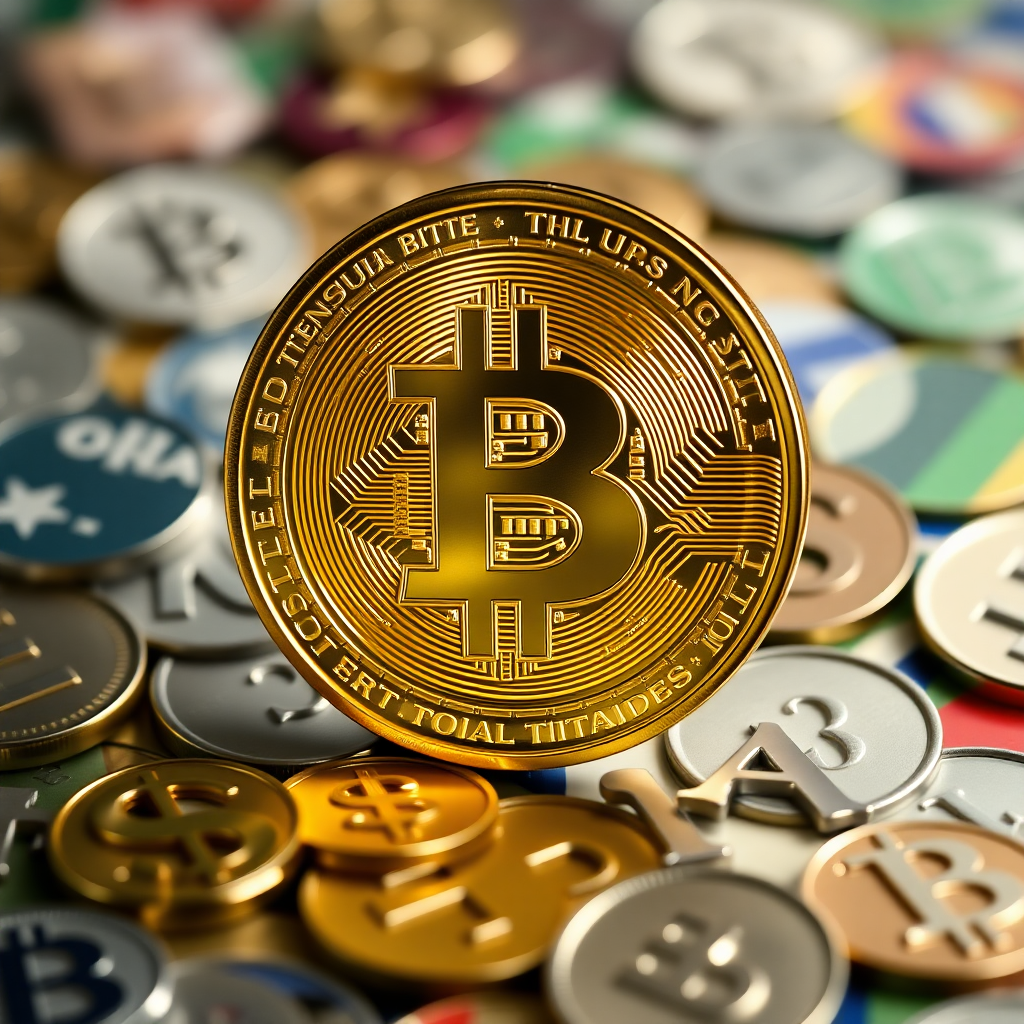
Bitcoin Surge: Cryptocurrencies Defy Markets Amid Global Trade Tensions
Summary
- Bitcoin’s April Performance: Bitcoin significantly outperformed traditional assets like gold and tech stocks.
- Impact of Trade Tensions: Ongoing global trade disputes create a turbulent market backdrop, yet Bitcoin’s value rises.
- Investor Interests: Increasing interest from institutional investors highlights Bitcoin’s evolving role as a financial asset.
- Future Prospects: Potential for Bitcoin to maintain resilience as markets adjust to geopolitical uncertainties.
The Unstoppable Rise of Bitcoin
April saw Bitcoin emerge as an unlikely victor amid an era marked by heightened global trade tensions and market unpredictability. While traditional investment vehicles like gold and technology stocks have faced volatility, Bitcoin has defied these trends by posting remarkable gains.
According to data from financial analytics, Bitcoin’s valuation increased by over 25% in April alone, highlighting the cryptocurrency’s robust performance against the backdrop of fear-driven market corrections. Many experts attribute this surge to investors seeking alternative assets as hedges against global economic uncertainties.
Trade Tensions and Market Realities
The ongoing skirmishes over tariffs between major economic powerhouses have undeniably influenced market dynamics. Traditional markets often remain vulnerable under such pressures, with stocks and commodity prices witnessing oscillations. Yet, as global trade debates escalate, Bitcoin continues to pave its unique path.
Analysts suggest that Bitcoin may benefit from a perceived neutrality in geopolitical conflicts. Peter Smith, CEO of Blockchain, remarked, “Investors are increasingly looking at Bitcoin as an asset class that behaves independently of political and business cycles.”
Spotlight on Institutional Investment
The increased interest from large institutional investors cannot be overlooked in Bitcoin’s recent success. The integration of cryptocurrencies into traditional financial structures signifies a paradigm shift, endorsing Bitcoin as a credible asset amidst periods of turbulence.
Recently, prominent investment firms have started allocating a portion of their portfolios to Bitcoin, acknowledging its potential for high returns and low correlation with other asset classes. This endorsement from financial heavyweights further fuels Bitcoin’s credibility and appeal.
Prospecting the Future
Looking ahead, questions linger about Bitcoin’s ability to sustain this momentum. Some financial experts express caution, citing regulatory developments and security concerns as potential impediments. However, many remain optimistic, considering the cryptocurrency’s historical agility and innovation-driven environment.
Bitcoin’s trajectory serves as a case study in evolving financial landscapes, emphasizing adaptability to global trends. As the world keenly watches geopolitical movements, Bitcoin’s resilience may offer insights into prospective market shifts.
Conclusion
In a world beset with uncertainty, Bitcoin shines as a beacon of resilience and opportunity. As global trade tensions continue to fluctuate, Bitcoin’s role as an emerging player in the financial arena merits further attention and analysis. Its ability to not just endure but flourish amid tumultuous market conditions deserves acknowledgment—suggesting a new age of economic strategy.
Readers invested in understanding dynamic financial ecosystems should continue monitoring Bitcoin’s interplay with global markets, as it may redefine investment strategies in an era marked by unpredictability.

