


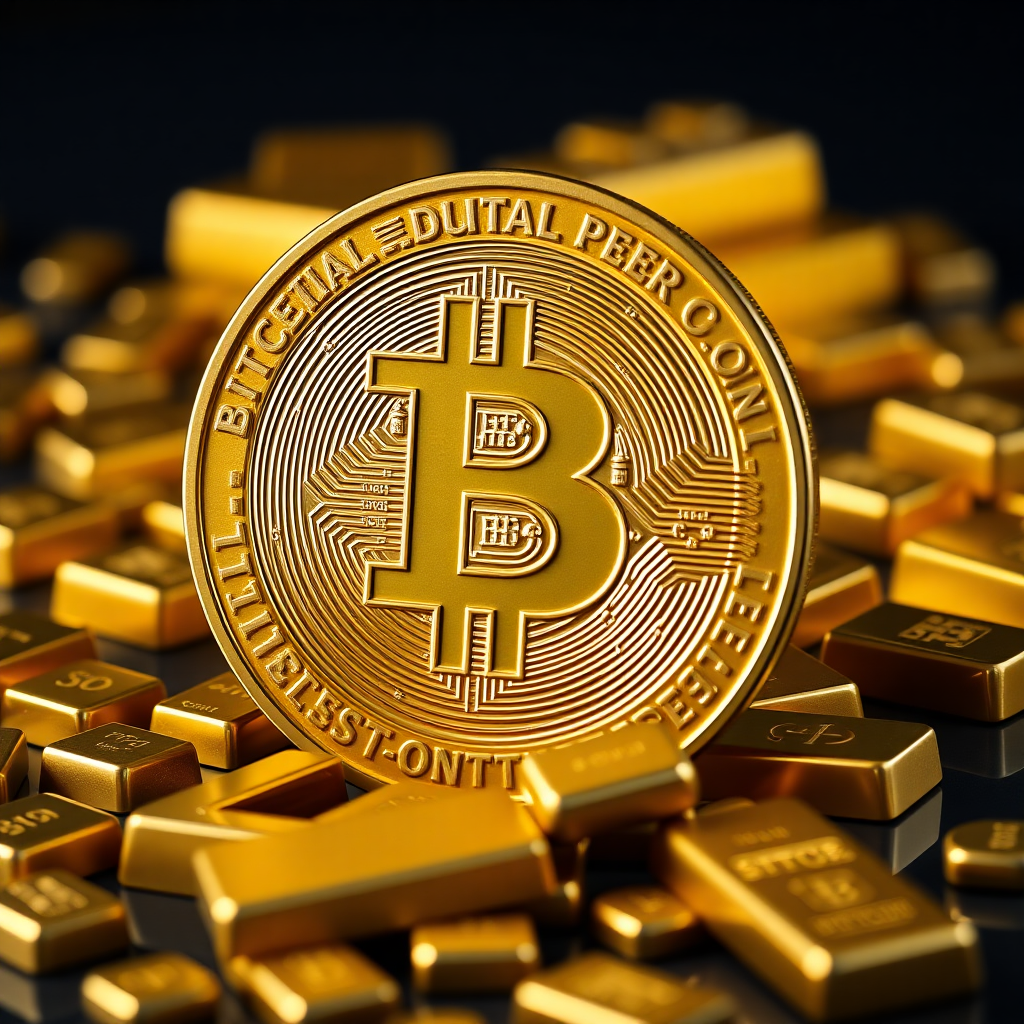
Bitcoin Surges as Treasury Secretary Compares It to Gold Amid Market Chaos
Summary
- Rising Fortunes: Bitcoin’s price skyrockets following U.S. Treasury Secretary’s comments.
- Comparison to Gold: Treasury Secretary calls Bitcoin a “store of value” on par with gold.
- Market Uncertainty: The cryptocurrency gains as stock markets falter under economic pressures.
- Wall Street’s Reaction: Financial experts divided on the legitimacy and future of Bitcoin as a stable asset.
- Regulatory Implications: Potential changes in U.S. regulatory landscape as Bitcoin gains legitimacy.
Bitcoin’s Unprecedented Rise
Bitcoin’s meteoric rise in recent years has reached a new crescendo. In a surprising turn of events, U.S. Treasury Secretary expressed confidence in the cryptocurrency, labeling it a “store of value” comparable to gold. The endorsement, unexpected by many, comes at a time when traditional stock markets are reeling under the weight of global economic turmoil.
The endorsement has appeared to significantly bolster Bitcoin’s value, with prices experiencing a rapid climb unmatched by other assets in the market. This sentiment reflects a growing belief in Bitcoin’s resilience as an alternative asset during times of financial instability.
A Safe Haven in Uncertain Times
The Treasury Secretary’s comparison of Bitcoin to gold was not just a comment on its stability but also its potential role in the global financial system. For decades, gold has been viewed as a safe haven during turbulent economic periods. Bitcoin, often dubbed “digital gold,” seems to be assuming a similar status in the eyes of investors, particularly millennials and tech-savvy individuals.
According to a report by Coinbase, Bitcoin’s transaction volumes have surged by more than 50% over the past month. This dramatic increase highlights its growing acceptance as a reliable refuge for capital not just within the tech community but also among a wider array of investors.
Analyzing Wall Street’s Reaction
The reaction from Wall Street remains mixed. While some seasoned investors are opening up to the idea of Bitcoin being a legitimate store of value, others continue to view it skeptically. Financial analyst Jamie Dimon shared, “Bitcoin’s inherent volatility is a double-edged sword. It may indeed offer promise, but its risks remain substantial.”
Despite differing opinions, one thing remains clear: Bitcoin’s role in the financial ecosystem is no longer being sidelined. Even those hesitant to embrace it must now consider its implications on global markets and regulatory practices.
Regulatory and Economic Implications
The ascendance of Bitcoin as a potential alternative to conventional financial assets invites discussions on regulation. As Bitcoin solidifies its status as a store of value, it forces governments worldwide to rethink their regulatory approaches. Furthermore, the cryptocurrency’s popularity may spur regulatory bodies to establish clearer rules surrounding digital assets, an idea underscored by cryptocurrency advocate and current head of the SEC, Hester Peirce.
With the Treasury Secretary’s backing, the pending question is whether lawmakers will take this opportunity to implement frameworks that nurture innovation while addressing the inherent risks associated with digital currencies.
Conclusion: The Path Forward
Bitcoin’s surge amidst traditional market chaos raises vital questions about the potential for a paradigm shift in trust from fiat currencies to digital cryptocurrencies. The endorsement from the U.S. Treasury Secretary could very well be the catalyst for increased mainstream adoption, possibly leading to a redefined monetary system.
As investors and regulators navigate this evolving landscape, one thing is certain: the conversation surrounding Bitcoin and its place in our economic future is far from over. Whether it will ultimately fulfill the promise of being “digital gold,” only time will tell. One thing is certain — the digital currency’s climb indicates a shift in how value is increasingly perceived in our interconnected global economy.

