


“`html
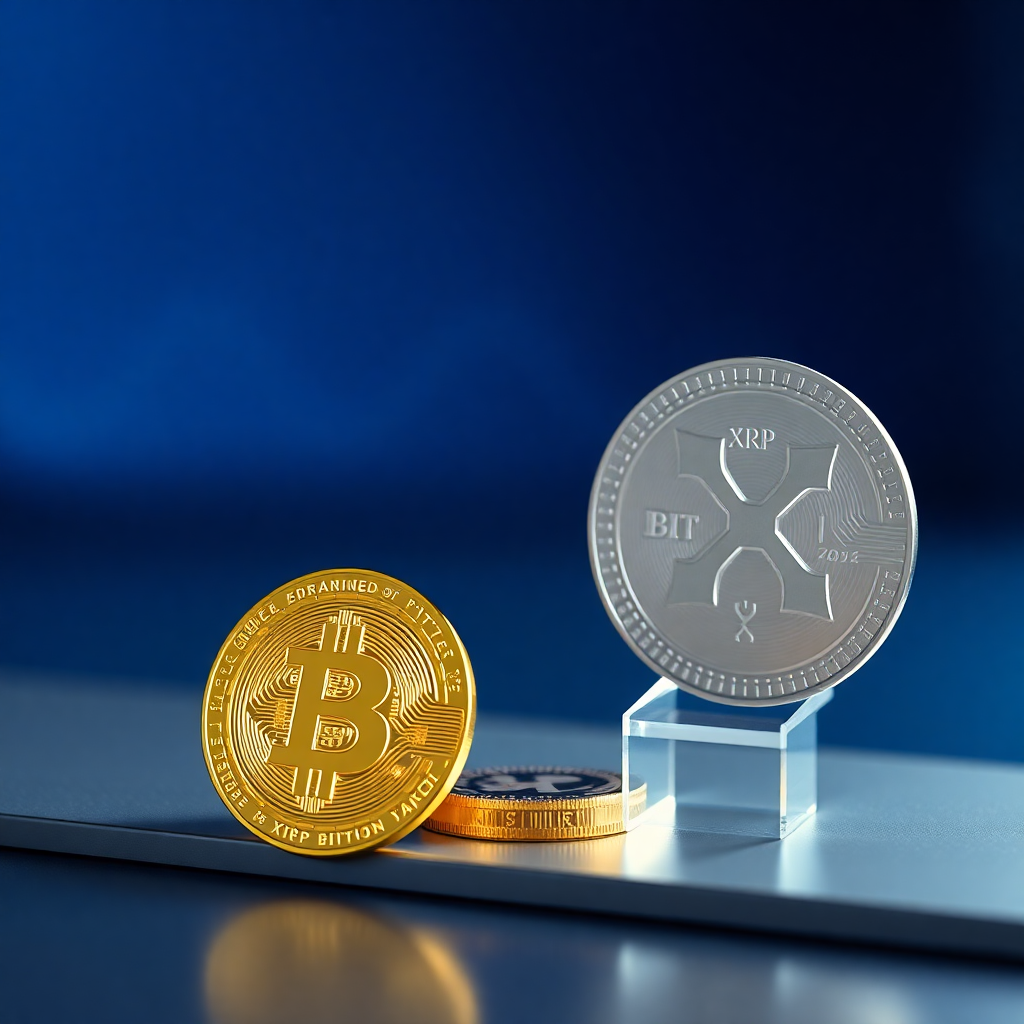
Bloomberg Insider Unveils Surprising Insights on XRP vs Bitcoin Dynamics
Summary
- Bloomberg’s senior exchange-traded fund (ETF) analyst, Eric Balchunas, highlights noteworthy comparative behaviors between XRP and Bitcoin.
- XRP’s recent price performance indicates atypical market behavior distinct from Bitcoin.
- The interplay between XRP’s legal developments and its market volatility continues to pivot its market stance.
- Bitcoin’s role as a market stabilizer contrasts with XRP’s trajectory as an agile asset.
Introduction
In a revelation that could stir discussion among cryptocurrency aficionados, esteemed Bloomberg analyst Eric Balchunas has unveiled some fascinating patterns in the trading dynamics of XRP compared to Bitcoin. With both digital currencies firmly rooted at the core of the crypto market debate, understanding their distinct behaviors has become crucial for investors and financial analysts alike. What insights can these developments provide into the broader cryptosphere?
XRP’s Unorthodox Price Movements
The cryptocurrency market, known for its volatility, saw XRP defy conventional patterns that often mirror Bitcoin’s movements. According to Eric Balchunas, XRP’s recent market behavior reflects a fascinating deviation, suggesting a trajectory that is increasingly dissimilar to Bitcoin’s. This divergence, as Balchunas notes, could signify a pivotal moment for Ripple’s native asset.
Such unique price movements draw attention to how XRP’s market responds reactively to ongoing legal narratives, particularly the Securities and Exchange Commission (SEC) lawsuit against Ripple. Notably, XRP’s ability to maintain an upward momentum amidst such legal challenges illustrates its resilience and potential as an investment vehicle.
The Bitcoin Stabilizer Effect
While XRP shows hundreds of potential trajectories, Bitcoin continues to act as the market’s anchor. As the original cryptocurrency, Bitcoin often provides a foundation of stability, influencing not only investor sentiment but also the dependability of alternative coins. Balchunas highlights this disparity in market behavior, suggesting that the traditional view of Bitcoin as the “gold standard” remains intact even as newer coins, like XRP, begin to chart their own course.
This anchoring effect of Bitcoin creates an environment whereby other cryptocurrencies, while forging their own identity, are predisposed to oscillate around Bitcoin’s price trends—resulting in a complex interplay that Balchunas deconstructs with precision.
Ripple’s Legal Journey: A Two-Edged Sword
The ongoing legal endeavors involving Ripple Labs and the SEC introduce another dimension to the XRP vs Bitcoin dynamic. Balchunas emphasizes how legal developments hold a dual role — serving both as a potential catalyst for market volatility and uncertainty but also an opportunity for Ripple to cement its legitimacy in the financial ecosystem.
XRP’s legal journey might ultimately redefine its standing within the financial landscape, allowing it to adopt a unique position distinct from Bitcoin, not just in market performance but also in regulatory standing.
Concluding Thoughts
The insights shared by Eric Balchunas not only enhance our understanding of the XRP and Bitcoin dichotomy but also underscore the intricate dynamics at play within the broader cryptocurrency realm. As XRP continues to diverge from Bitcoin, analysts and investors must remain vigilant, appreciating both the historical significance of market stalwarts like Bitcoin, and the emergent, unique trajectories of rising cryptocurrencies.
Such insights underscore the importance of being informed and adaptable in an industry continuously shaped by legal developments, market sentiment, and technological advancements. As we observe these cryptos’ future pathways, the real question remains: how will these dynamics shape the financial ecosystem of tomorrow?
“`

