


“`html
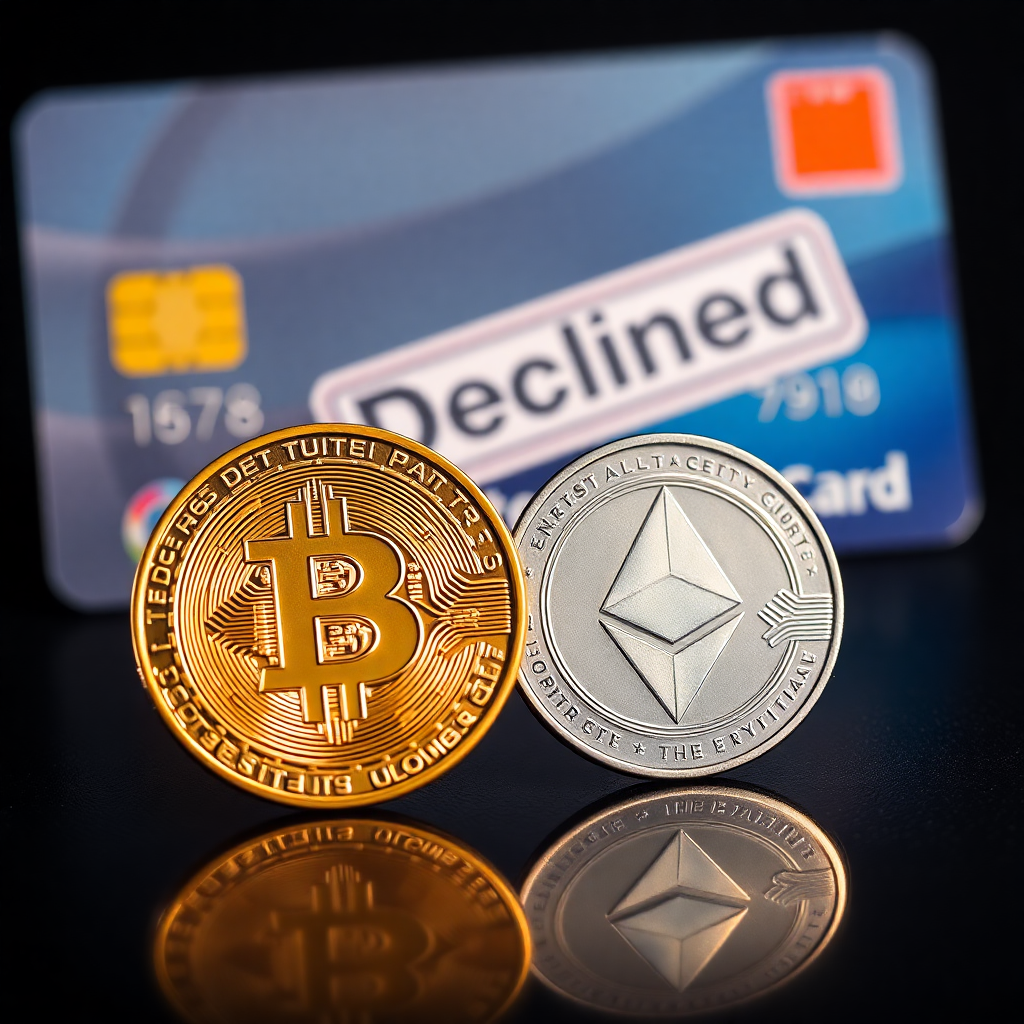
UK to Prohibit Crypto Purchases on Credit: A Bold Financial Shift
Summary
- The UK is set to ban crypto purchases using credit cards, marking a significant shift in financial regulation.
- The Financial Conduct Authority (FCA) aims to reduce financial risk and protect consumers.
- There is a mixed reaction from the public and stakeholders within the cryptocurrency industry.
- The policy raises questions about its impact on the cryptocurrency market.
Introduction
The UK is making waves in the financial sector with its announcement to ban the purchase of cryptocurrencies using credit cards. This decision, led by the Financial Conduct Authority (FCA), aims to mitigate financial risk and protect consumers from potential debt pitfalls associated with the volatile nature of digital currencies. As one of the most significant regulatory shifts in recent times, this move has sparked varied reactions from the public and stakeholders within the cryptocurrency industry.
FCA’s Move: A Protective Stance
Reasons Behind the Ban
The primary goal of the FCA’s decision is to protect consumers from the financial risks associated with investing in cryptocurrencies. With the volatile value of digital currencies, borrowing funds to invest in such speculative assets could lead to substantial financial losses. The FCA believes that banning credit card purchases for crypto will help consumers avoid climbing debts, especially amid increasing concerns about crypto fraud and scams.
Official Statements
In a statement, the FCA outlined their reasons for this preventive measure, emphasizing the need to shield consumers from potentially high-risk financial behavior. The regulator highlighted instances where consumers faced significant debt after borrowing to invest in cryptocurrencies, only to suffer losses due to sharp market fluctuations.
Industry Reaction: Divided Opinions
Mixed Feelings Among Stakeholders
The announcement has left many in the cryptocurrency industry grappling with mixed emotions. Proponents of the ban argue it’s a necessary step to promote financial responsibility and prevent debt accumulation. Critics, however, see it as a draconian regulation that could stifle innovation and limit consumer freedom in a rapidly evolving market.
Impact on the Crypto Market
Opinions are divided over how this ban might affect the crypto market. Some analysts suggest it might slow down retail investment, thereby dampening market growth. Others think it could encourage more responsible investment practices and potentially stabilize market movements.
Looking Ahead: The Future of Crypto Transactions
Potential Alternatives
The prohibition calls for consumers to explore alternative methods for purchasing cryptocurrencies. Debit cards, bank transfers, and crypto exchanges remain viable options, but the ban might lead to an increase in innovative solutions for transaction methods that are compliant with the new regulations.
Regulatory Precedent
This bold move by the UK sets a precedent for other countries contemplating similar regulations. As governments worldwide continue to grapple with the challenges posed by digital currencies, the UK’s decision might inspire other nations to adopt comparable measures in the quest for a balanced financial ecosystem.
Conclusion
The UK’s decision to ban credit card purchases of cryptocurrencies marks a pivotal moment in financial regulation. While aimed at protecting consumers from high-risk borrowing and potential financial ruin, the ban prompts significant reflection on its broader implications for the future of cryptocurrency markets. It remains to be seen how this bold financial shift will shape consumer behavior and impact the global regulatory landscape. As the dust settles, stakeholders must weigh the pros and cons, ensuring a secure yet vibrant future for digital currencies.
“`

